


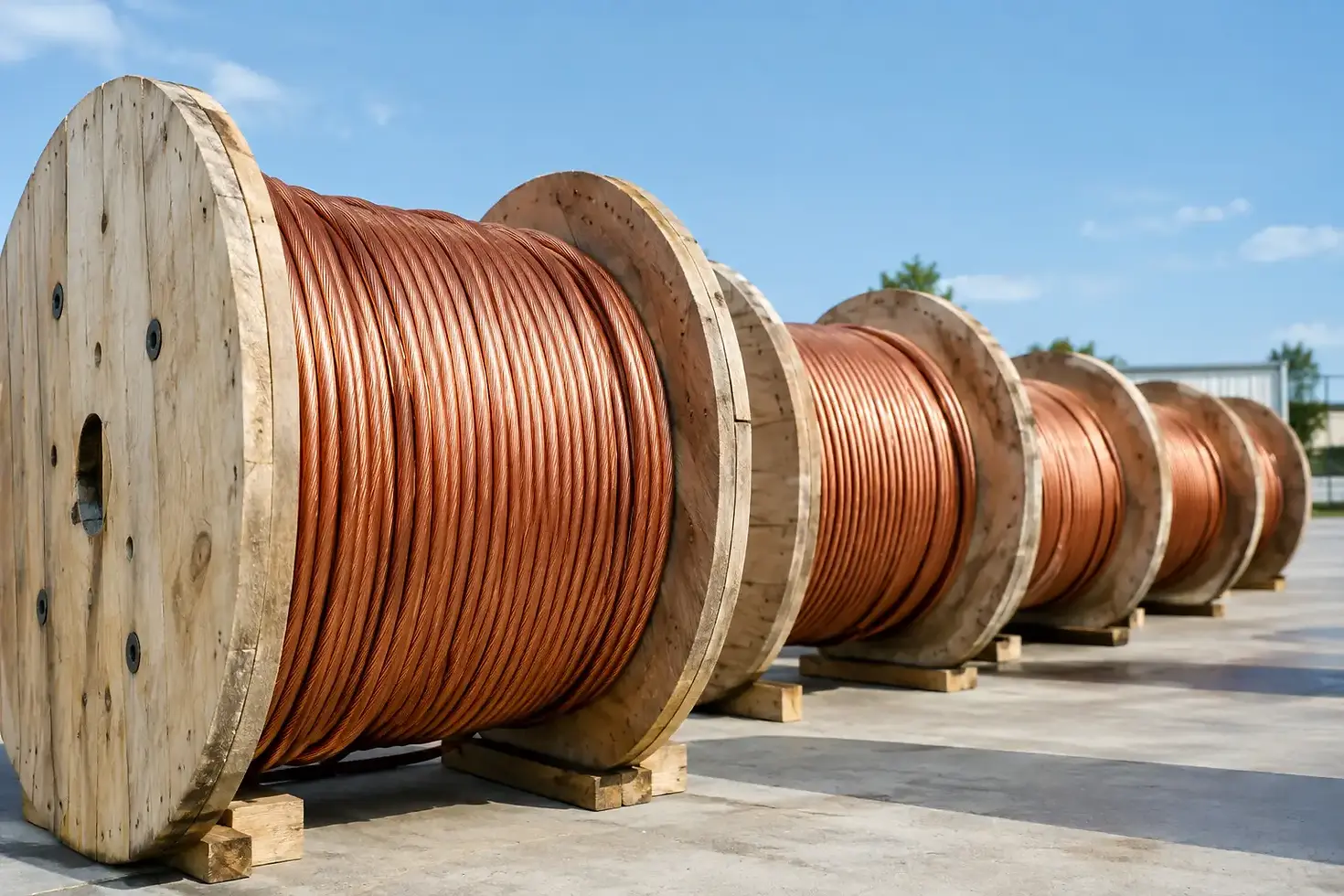
Cable Drum Storage Guide for Safer Cable Handling

A cable drum can arrive with the correct conductor size, insulation type, and test documentation, then lose value before installation because it was dropped, stored on wet ground, or moved with unsuitable equipment. This cable drum storage guide addresses the practical controls that protect low-voltage power cable, control cable, and project materials from receipt through final dispatch.
For contractors, distributors, and project warehouses, proper drum storage is not only a housekeeping issue. It affects cable integrity, worker safety, installation productivity, and the ability to trace material to the correct project or purchase order.
Cable Drum Storage Guide: Start at Receiving
Storage conditions should be checked before a drum is accepted into inventory. Inspect the flanges, barrel, protective lagging or wrapping, cable ends, and labels while the shipment is still available for verification. Look for cracked timber, bent steel components, loose bolts, broken battens, damaged sheath, exposed cable layers, or signs that the drum has been rolled without control.
Confirm that the drum label matches the receiving documents. At a minimum, record the cable type, conductor size, voltage rating, drum number, length, manufacturing batch when available, and delivery date. A clear receiving record makes it easier to identify a drum later, especially where several projects use similar cable constructions.
Cable ends must remain sealed. Open or damaged end caps can allow moisture, dust, and contaminants into the cable construction. This is particularly significant for cables intended for outdoor installations, long storage periods, or export projects where material may pass through several storage locations before use. If an end seal is damaged, re-seal it promptly using a method suitable for the cable type and then document the condition.
Choose a Stable, Dry Storage Area
The preferred storage area has a firm, level surface with adequate drainage and enough room for controlled vehicle movement. Drums should not sit directly in standing water, soft soil, mud, or loose aggregate. Uneven support can damage flanges, create rolling hazards, and make later handling more difficult.
Indoor storage offers the best protection when available, particularly for finished cable that will be held for an extended period. The area should remain dry and reasonably clean, without exposure to chemicals, fuel, sharp materials, welding spatter, or traffic that could strike the drums. Keep cable drums away from high-heat equipment and locations where insulation or sheath materials may be exposed to unnecessary heat.
Outdoor storage is often unavoidable for infrastructure, utility, and construction work. In that case, use a hard, drained surface and protect the drums from prolonged direct sunlight and rain where practical. Covering should prevent water accumulation and still allow air circulation. A cover that traps moisture against the drum or cable can create a different problem than the weather it is intended to prevent.
Do not assume every cable needs the same environmental controls. A heavy-duty outdoor-rated power cable will tolerate site conditions differently from a specialty control cable or fiber optic cable. The manufacturer’s storage guidance, cable construction, packaging condition, and planned storage duration should determine the level of protection.
Position Drums Correctly and Prevent Movement
Store cable drums on their flanges, with the drum axis horizontal. This keeps the cable layers supported by the barrel and reduces the risk of crushing or distortion. Do not store drums lying on the side of the barrel, since the cable weight may bear unevenly and damage the outer layers.
Chock each drum to prevent unplanned rolling. Use suitable wedges or purpose-designed restraints positioned against the flanges, and inspect them regularly. A slight slope, vibration from vehicle traffic, or an accidental contact from a forklift can move a large drum with considerable force.
Maintain accessible aisles between drum rows. Workers need room to inspect labels, place lifting equipment, and remove a drum without shifting unrelated inventory. Tight storage arrangements can appear space-efficient but often increase the risk of impact damage and handling delays.
Stacking is generally a high-risk practice unless the drum design, packaging, floor capacity, and storage system have been assessed for it. Small drums may be supplied in stackable arrangements, while large timber or steel drums normally require ground-level storage. Never stack drums simply to recover floor space. The consequences can include crushed flanges, damaged cable, unstable loads, and serious injury.
Keep Drum Orientation and Pay-Off Direction Visible
Most drums include an arrow showing the permitted rolling direction. If the drum must be moved by rolling, follow the marking to avoid loosening cable turns. Roll only over a short, clear route and only when mechanical handling is not practical. Never roll a drum down a slope, toward an open edge, or through areas with pedestrians.
The cable pay-off direction should also remain visible. During installation, paying out against the intended direction can cause poor reel rotation, cable twisting, or difficulty maintaining proper tension. Labels should face outward wherever possible, rather than being hidden against a wall or another drum.
Use Equipment That Supports the Drum, Not the Cable
Cable drums should be handled with equipment selected for the drum weight, flange diameter, and site conditions. For larger drums, a shaft through the center bore combined with suitable lifting equipment provides controlled support. Forklift handling may be appropriate when trained operators use attachments or methods designed for drums.
Forks must not press into the cable layers or pass beneath unsupported flanges in a way that can split the drum. Slings, chains, or hooks should not contact the cable itself. A damaged outer sheath may not be obvious immediately, but it can later compromise mechanical protection or lead to rejection during inspection.
Before lifting, verify the drum weight and equipment capacity. Weight markings are useful, but when information is missing or uncertain, treat the load as unverified until it has been confirmed. The lifting plan should account for the drum’s center of gravity, travel path, ground condition, and final placement location.
Only trained personnel should move cable drums. The load is round, heavy, and capable of sudden movement. A spotter is valuable where clearances are limited, especially in busy warehouses or active construction yards.
Protect Cable Quality During Long-Term Storage
Long storage periods require scheduled inspection rather than a one-time receiving check. Establish a practical review interval based on location and exposure. Outdoor drums, high-value cable, and drums held for a delayed project should be inspected more often than protected inventory in a controlled warehouse.
During inspection, check for standing water, damaged covers, flange deterioration, loose chocks, exposed cable ends, rodent activity, and label loss. Examine the outer cable layer for abrasion, flattening, discoloration, cuts, or signs of overheating. If a drum has been struck or dropped, quarantine it until its condition is assessed.
Inventory rotation also matters. Use older approved stock first when cable specifications and project requirements allow it. This reduces avoidable aging in storage and prevents forgotten drums from accumulating at the back of the yard. However, first-in, first-out should never override project traceability. A cable drum reserved for a specific approved design must remain clearly identified and segregated.
For fiber optic cable, avoid excess bending, crushing, and uncontrolled tension. Its storage needs are particularly sensitive to minimum bend radius and end protection. For power cables, preserve sheath integrity and prevent deformation of the cable layers. Different products require different controls, but careless drum handling is a common risk across both categories.
Plan Storage Around Dispatch and Installation
The best storage layout supports the next handling step. Place drums needed soon for delivery or cable pulling where they can be removed without rearranging the entire yard. Verify project tags, drum lengths, and cable identification before loading, not after the truck has arrived.
For export shipments, maintain packaging and labeling until the drum is ready for dispatch. If protective battens, wrapping, or moisture barriers are removed during an internal inspection, restore suitable protection before shipment. This is especially relevant where cable will be transferred between warehouses, ports, and job sites.
Before releasing a drum, inspect the flange condition, confirm that cable ends are sealed, and ensure the load can be secured against rolling during transport. A well-manufactured cable deserves the same discipline after it leaves the production line. Careful drum storage keeps the cable ready for the installation it was designed to serve.


Comments