


Exploring Custom Cable Solutions with ECI Wires
In the industrial sector, the demand for reliable and tailored electrical wiring solutions is paramount. Custom cable solutions provide the flexibility and precision necessary to meet the unique requirements of various industrial applications. These solutions ensure optimal performance, safety, and compliance with industry standards. As a professional engaged in sourcing or specifying electrical components, understanding the scope and benefits of custom cable manufacturing is essential. This article explores the technical aspects, applications, and advantages of custom cable solutions, with a focus on the offerings from eci wires, a prominent manufacturer in this domain.
The Importance of Custom Cable Solutions in Industrial Applications
Custom cable solutions are engineered to address specific operational challenges that standard cables cannot adequately resolve. Industrial environments often involve complex machinery, harsh conditions, and stringent regulatory requirements. Off-the-shelf cables may not provide the necessary specifications such as voltage rating, insulation type, conductor material, or mechanical strength.
Custom cables are designed with precise parameters including:
Conductor size and material: Copper, aluminum, or specialized alloys.
Insulation and jacketing: Materials selected for temperature resistance, chemical exposure, or abrasion protection.
Shielding and armoring: To mitigate electromagnetic interference and physical damage.
Length and connector types: Tailored to installation constraints and equipment interfaces.
By specifying these attributes, industrial users can enhance system reliability, reduce downtime, and improve safety compliance. For example, a manufacturing plant requiring cables resistant to oil and high temperatures can request custom insulation materials that standard cables lack.

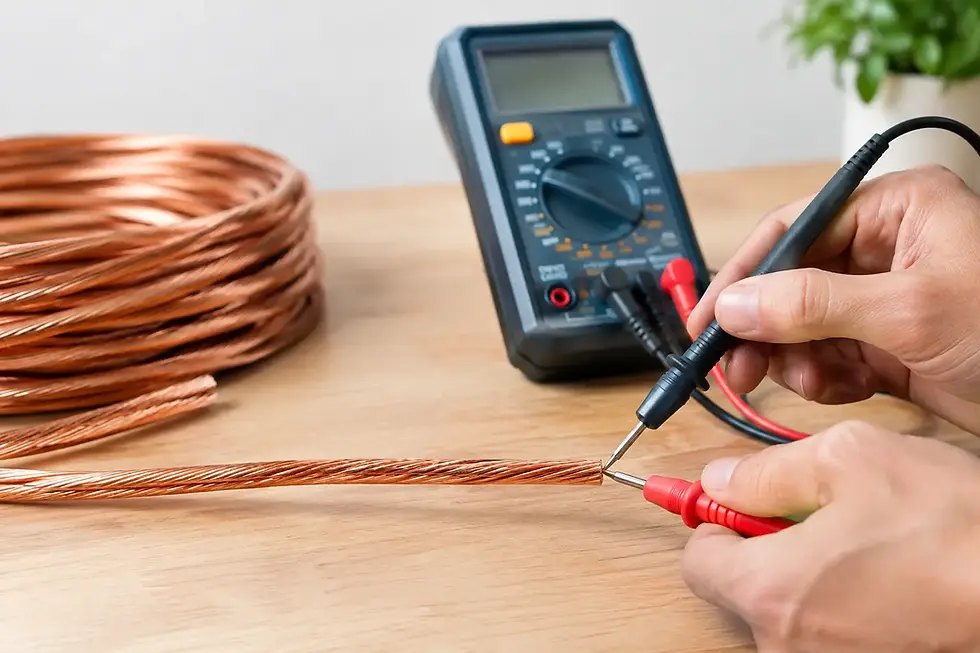
Close-up view of industrial custom cable with multiple insulated conductors
Technical Considerations When Designing Custom Cable Solutions
Designing custom cable solutions involves a detailed assessment of the electrical, mechanical, and environmental requirements. The process typically includes the following steps:
Load and Voltage Analysis: Determining the current-carrying capacity and voltage rating to ensure safe operation.
Environmental Assessment: Evaluating exposure to temperature extremes, moisture, chemicals, UV radiation, and mechanical stress.
Compliance and Standards: Ensuring adherence to international and regional standards such as IEC, UL, or CSA.
Material Selection: Choosing appropriate conductors, insulation, and protective layers.
Testing and Validation: Conducting electrical, mechanical, and environmental tests to verify performance.
For instance, cables used in offshore oil rigs require robust armoring and corrosion-resistant materials, while those in cleanroom environments prioritize low outgassing and non-contaminating insulation.
Manufacturers like eci wires utilize advanced engineering tools and quality control protocols to deliver cables that meet these stringent criteria. Their expertise in customizing cable solutions supports diverse industrial sectors including energy, transportation, and manufacturing.

High angle view of cable manufacturing machinery producing custom cables
What Color Wires Go to L1, L2, and L3?
In three-phase electrical systems, the identification of phase conductors is critical for correct installation and maintenance. The color coding of wires for L1, L2, and L3 phases varies by region but generally follows standardized conventions to ensure safety and consistency.
In the United States (en-us), the typical color coding for three-phase systems is:
L1 (Phase 1): Black
L2 (Phase 2): Red
L3 (Phase 3): Blue
These colors help electricians and engineers quickly identify the phases during installation and troubleshooting. It is important to note that neutral conductors are usually white or gray, and grounding conductors are green or green with a yellow stripe.
In industrial custom cable solutions, these color codes can be incorporated into the cable design to facilitate on-site identification and reduce wiring errors. Custom cables may also include printed legends or numbered conductors for additional clarity.
Advantages of Partnering with a Global Manufacturer for Custom Cable Solutions
Selecting a global manufacturer for custom cable solutions offers several strategic benefits, particularly for industrial businesses and international distributors. These advantages include:
Consistent Quality Control: Global manufacturers implement rigorous quality assurance processes to maintain product reliability across batches.
Scalability: Ability to fulfill large volume orders and accommodate urgent delivery schedules.
Technical Expertise: Access to engineering support for complex cable design and compliance with diverse international standards.
Cost Efficiency: Competitive pricing achieved through economies of scale and optimized manufacturing processes.
Global Distribution Network: Efficient logistics and supply chain management to serve multiple regions.
A manufacturer like eci wires exemplifies these benefits by combining advanced manufacturing capabilities with a commitment to expanding its global footprint. Their focus on industrial-grade power cables and wires ensures that clients receive products tailored to their operational demands without compromising on quality or cost.
Practical Recommendations for Specifying Custom Cable Solutions
When specifying custom cable solutions, it is advisable to follow a structured approach to ensure the final product meets all operational requirements:
Define Application Parameters: Clearly outline the electrical load, environmental conditions, and mechanical stresses the cable will encounter.
Consult Manufacturer Expertise: Engage with the manufacturer’s technical team early in the design process to leverage their knowledge and experience.
Request Samples and Prototypes: Evaluate physical samples or prototypes to verify material quality and construction.
Specify Testing Requirements: Include necessary testing protocols such as dielectric strength, flame retardance, and chemical resistance.
Plan for Future Expansion: Consider potential future needs such as increased load capacity or additional conductors to avoid frequent replacements.
Document Specifications Thoroughly: Maintain detailed documentation for compliance, installation, and maintenance purposes.
By adhering to these recommendations, industrial businesses and distributors can optimize their cable infrastructure, reduce operational risks, and enhance system longevity.
Expanding Reach with Reliable Custom Cable Solutions
The global industrial landscape demands suppliers who can deliver custom cable solutions that align with evolving technological and regulatory requirements. Manufacturers that prioritize innovation, quality, and customer collaboration are positioned to lead the market.
As industries continue to adopt automation, renewable energy, and advanced manufacturing techniques, the need for specialized cables will increase. Companies like eci wires are expanding their reach to more countries and continents, ensuring that industrial clients worldwide have access to high-quality, competitively priced cable products.
Investing in custom cable solutions not only addresses immediate operational challenges but also supports long-term infrastructure resilience and efficiency. It is essential to partner with manufacturers who demonstrate technical proficiency, global logistics capabilities, and a commitment to continuous improvement.
This comprehensive exploration of custom cable solutions underscores the critical role they play in industrial applications. By understanding the technical considerations, adhering to color coding standards, and leveraging the expertise of global manufacturers, businesses can achieve superior electrical system performance and reliability.


Comments